20 years jewelry packaging manufacturer,
Serving 1000+brands,Passed ISO9001/BV/SGS

You can share
- Share to Facebook
- Share to Google+
- Subscribe to our
- Share to Linkedin
- Share to Twitter
You can share

In today's era of deeply integrated global trade, the jewelry industry has constructed a vast and intricate network of collaboration. From design sketches drafted in Europe's ancient workshops to the massive consumer markets of Asia and North America, and finally to China's highly concentrated packaging manufacturing clusters, every node in this chain generates immense commercial value. This article offers an in-depth analysis of the global geographical distribution patterns of jewelry brands and the landscape of major consumer nations. It explores why the jewelry box factories—which serve as the foundation supporting this dazzling industry—are predominantly rooted in China, and why every player in the field—from centuries-old dynasties to cutting-edge D2C brands—shares an uncompromising, essential demand for custom jewelry packaging.
The origins and headquarters of the world's top jewelry brands are inextricably linked to their underlying historical and cultural heritage; currently, they are concentrated across three primary strongholds. Europe serves as the absolute heart of global "High Jewelry." Paris (France), Italy, and Switzerland are home to historic luxury dynasties such as Cartier and Bulgari, whose brand DNA emphasizes "old money" aesthetics and the pinnacle of traditional craftsmanship. The North American market, centered around New York City, has nurtured top-tier brands like Tiffany & Co. This region acts not only as a trendsetter for diamond culture but also as a major incubator for modern commercial operations and innovative, independent D2C brands. The Asian stronghold, backed by the world's largest consumer market, is represented by jewelry giants in China and Japan. These entities are deeply integrating traditional Eastern cultures—particularly those surrounding gold and jade—with modern precision cutting and setting techniques, emerging as a powerful new force within the global supply chain.
Understanding the flow of jewelry worldwide provides a precise insight into the pulse of wealth circulation and consumer upgrading trends. Driven by a massive market base and deep-seated cultural traditions, China currently stands firmly as the world's largest consumer of gold and jade; simultaneously, it demonstrates astonishing scale and growth potential in the consumption of platinum and diamonds.
Closely following is India. As the traditional titan of gold jewelry, the industry plays an irreplaceable role in India's wedding culture, social etiquette, and the intergenerational transmission of family wealth. The United States holds the title of the world's largest consumer market for diamond jewelry; its consumers demonstrate immense purchasing power and a forward-thinking mindset regarding engagement rings, large-carat diamonds, and high-end branded jewelry.
In the Middle East, the United Arab Emirates—centered around Dubai—has established itself as a pivotal global hub for the jewelry trade. The local market exhibits an almost fanatical preference for high-purity gold and elaborately crafted, luxurious designs, resulting in exceptionally high average transaction values. Turning to Asia, Japan stands as a major stronghold for the consumption of high-end bespoke jewelry and premium pearls; Japanese consumers are exceptionally rigorous in their demands regarding craftsmanship precision, metal polishing, and material purity. Russia—spanning both Europe and Asia—is another major global player in both diamond production and consumption; its domestic market favors precious metal jewelry imbued with a sense of historical gravitas, regal aesthetics, and intricate craftsmanship.
Within the European sector, the United Kingdom serves as a core consumer market where antique jewelry, heirloom pieces, and high-end jewelry featuring classic British styling are highly favored by celebrities and the elite. Italy is not only a world-renowned powerhouse in gold and silver jewelry manufacturing but also a major domestic consumer market; its citizens possess a highly refined artistic sensibility regarding avant-garde designs, exquisite gold craftsmanship, and the harmonious pairing of colored gemstones. Germany’s consumer style leans more toward pragmatism and modern geometric designs; when making purchases, German consumers place a strong emphasis on material durability, structural integrity, and rigorous craftsmanship. Finally, France—the home base for numerous high-luxury brands—is characterized by domestic consumers who possess a deep appreciation for the artistic expression and brand value inherent in high jewelry, coupled with an exceptionally high level of brand loyalty.
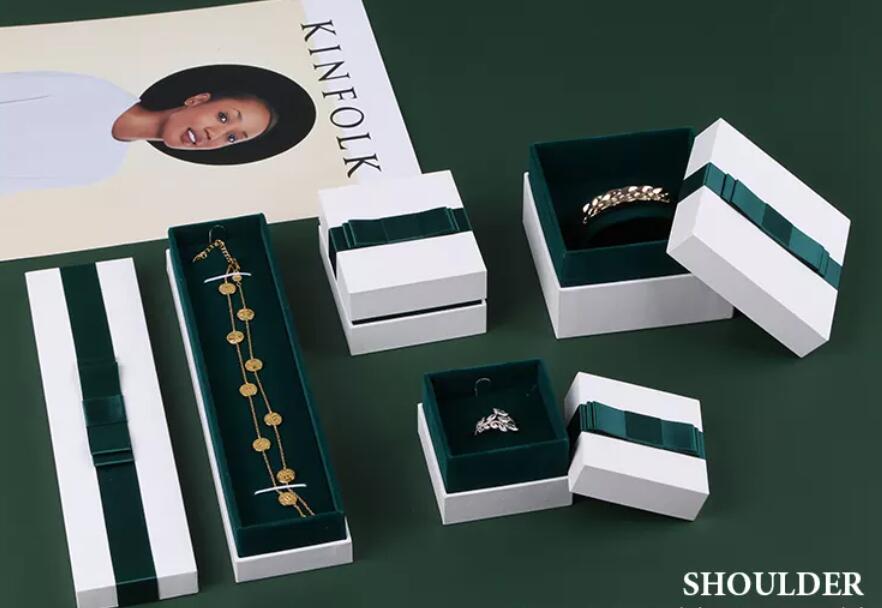
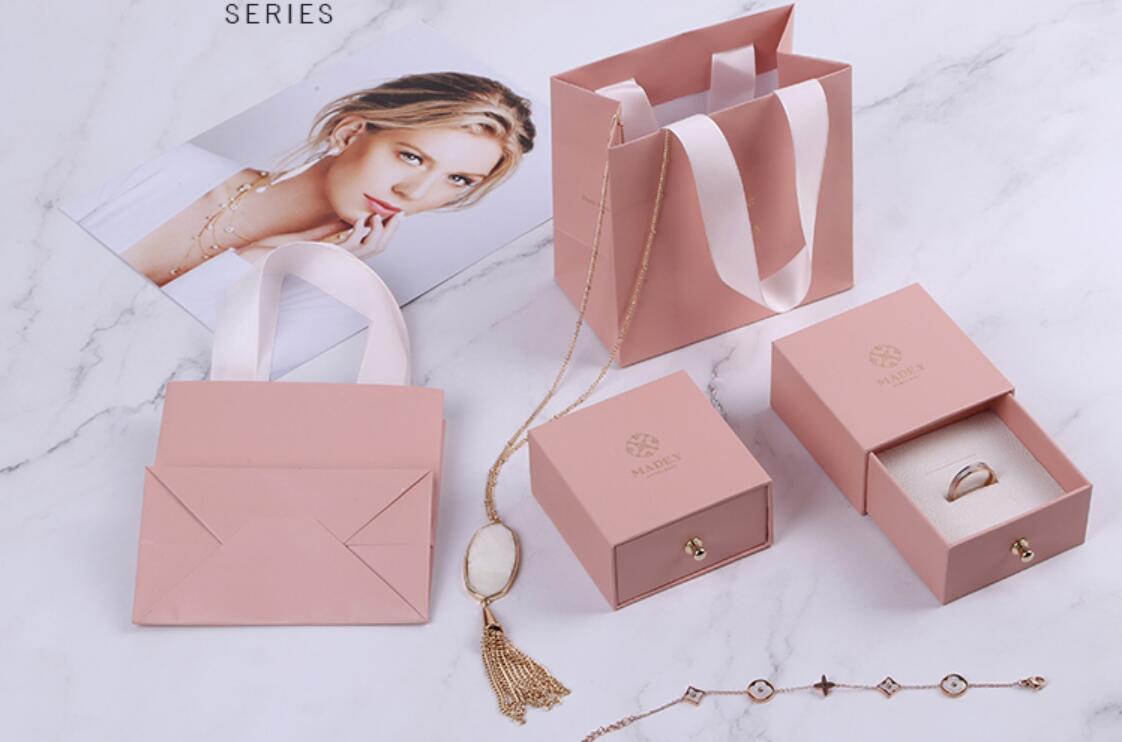
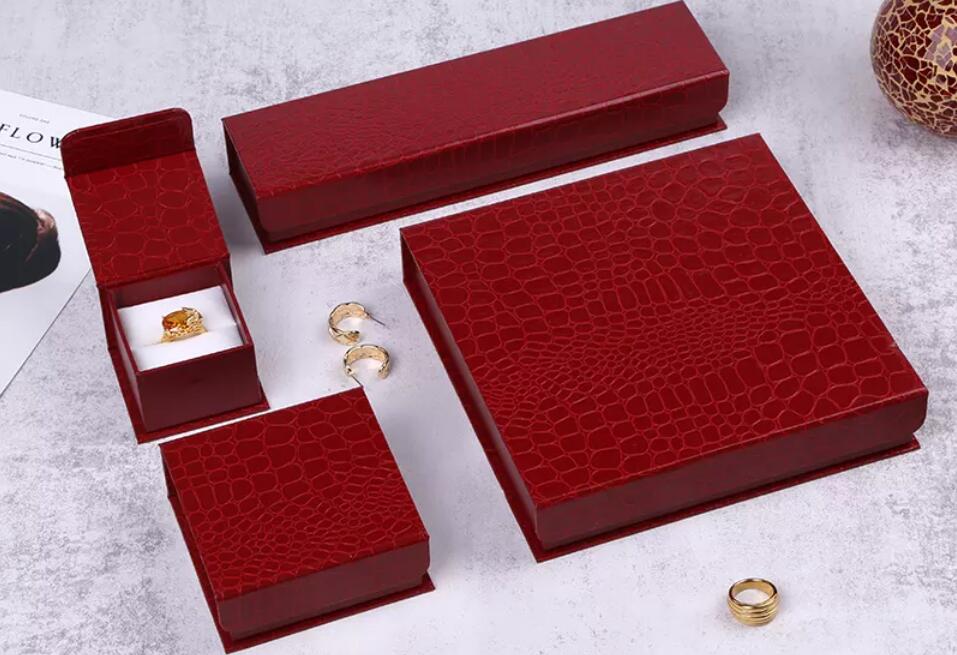
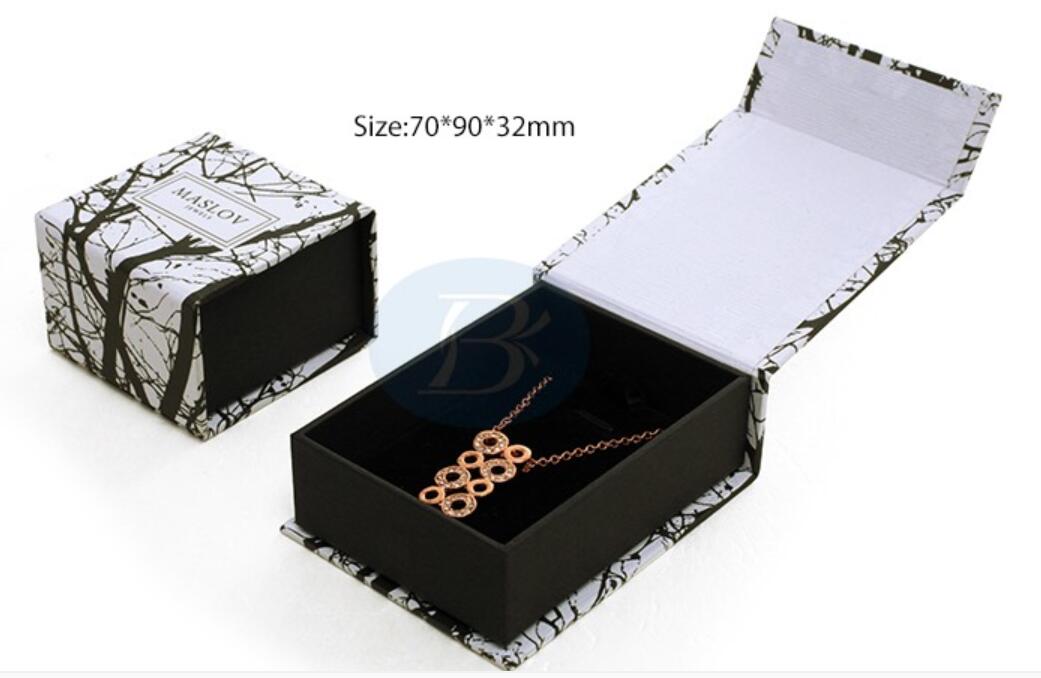
Although the corporate headquarters of top-tier jewelry brands are largely situated in Europe and North America, a closer look at the sourcing of packaging for these high-value pieces reveals that the vast majority of bulk procurement orders flow to jewelry box manufacturers in China—particularly within the Pearl River Delta industrial belt, encompassing cities such as Dongguan, Guangzhou, and Shenzhen in Guangdong province. Underlying this phenomenon are the formidable core competitive barriers of China's manufacturing sector—advantages that are not easily challenged or replicated.
Foremost among these advantages is the absolute superiority of its "all-factor" industrial ecosystem. The production of a single high-end packaging box requires dozens of distinct raw and auxiliary materials—ranging from specialty papers, high-density greyboard, and precision metal hinges to eco-friendly water-based adhesives. In the Pearl River Delta region, factories can procure all top-tier materials and coordinate equipment within an extremely compact geographical radius; this industrial density translates into unparalleled prototyping speeds and exceptional efficiency in mass production delivery. Secondly, there is the perfect synergy between "precision machinery and artisanal craftsmanship." High-end packaging—such as uniquely shaped boxes or complex fabric-wrapped cases—still cannot be produced through 100% full automation; it remains essential to rely on skilled human hands for high-precision edge wrapping and material lamination. China has cultivated a vast pool of highly experienced packaging artisans capable of executing intricate details—such as zero glue overflow and seamless, crisp corners—to absolute perfection. Finally, in the face of increasingly stringent global environmental compliance requirements and the frequent seasonal marketing demands of overseas brands, China's supply chain has demonstrated remarkable agility, rapid responsiveness, and technical upgrading capabilities.
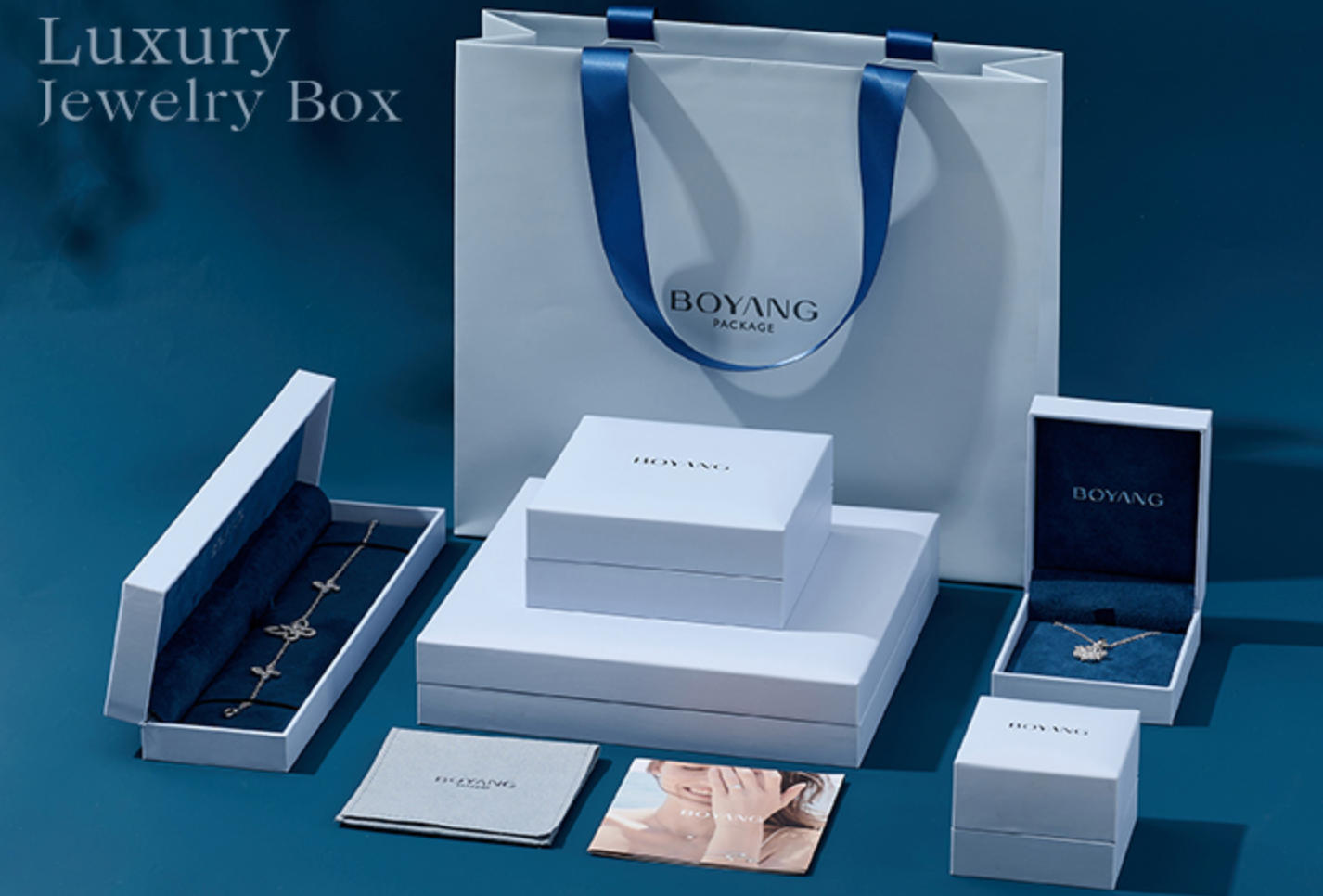
In the highly competitive and "hyper-internalized" landscape of the jewelry industry, generic, off-the-shelf packaging is being rapidly phased out by the market. Major brands are sparing no expense in investing heavily to develop custom jewelry packaging—a strategic move grounded in deep, end-to-end commercial considerations.
Custom packaging serves as the first physical line of defense in building a brand's "visual moat." While jewelry designs themselves are highly susceptible to counterfeiting, packaging that incorporates exclusive brand color schemes, unique physical tactile resistance, and rare textural materials establishes a formidable barrier in craftsmanship—thereby directly underpinning and justifying the product's brand premium.
Q1: What qualifications do overseas jewelry brands typically prioritize when sourcing jewelry box manufacturers in China?
A1: Beyond basic business licenses, major overseas brands place significant emphasis on a factory's environmental and social responsibility certifications. Examples include FSC (Forest Stewardship Council) certification, ISO 9001 Quality Management System certification, and the capability to pass international social responsibility audits such as BSCI or Sedex. These credentials serve as the essential "calling cards" required to gain entry into the world's premier supply chain ecosystems.
Q2: For startup D2C jewelry brands with limited budgets, is the Minimum Order Quantity (MOQ) for custom jewelry packaging typically very high?
A2: China's leading supply chains have already developed exceptionally strong capabilities in flexible manufacturing. For startup brands, many manufacturers offer "light customization" solutions—such as applying exclusive specialty papers and hot-stamped logos to high-quality, pre-existing box molds. This model typically allows for minimum order quantities ranging from a few hundred to a thousand units, making it an extremely friendly option for small and medium-sized brands.
Q3: Our primary markets are in North America and Europe, where international shipping costs are prohibitively high. Can paper packaging help resolve this issue?
A3: Absolutely. Professional packaging engineers can design premium rigid boxes featuring a "flat-fold" structure specifically for you. When shipped internationally—whether by sea or air—these empty boxes remain flat, effectively reducing shipping volume by over 40%. Upon arrival at overseas retail locations, they can be easily folded into shape, perfectly resolving the "volumetric weight" pain point often associated with international logistics.
Q4: Pure silver jewelry is highly susceptible to tarnishing and oxidation. What material-based protections can custom jewelry boxes offer against this?
A4: Generic, off-the-shelf boxes often utilize inexpensive, sulfur-containing adhesives, which actually accelerate the tarnishing of silver jewelry. When placing a custom order, you can specifically request that the manufacturer use eco-friendly, water-based adhesives and specify the inclusion of "anti-sulfurization" or "anti-oxidation" liners made from microfiber or flocking materials. These specialized polymer materials are capable of absorbing airborne sulfides, thereby creating a safe micro-environment that protects your jewelry.