20 years jewelry packaging manufacturer,
Serving 1000+brands,Passed ISO9001/BV/SGS


You can share
- Share to Facebook
- Share to Google+
- Subscribe to our
- Share to Linkedin
- Share to Twitter
You can share

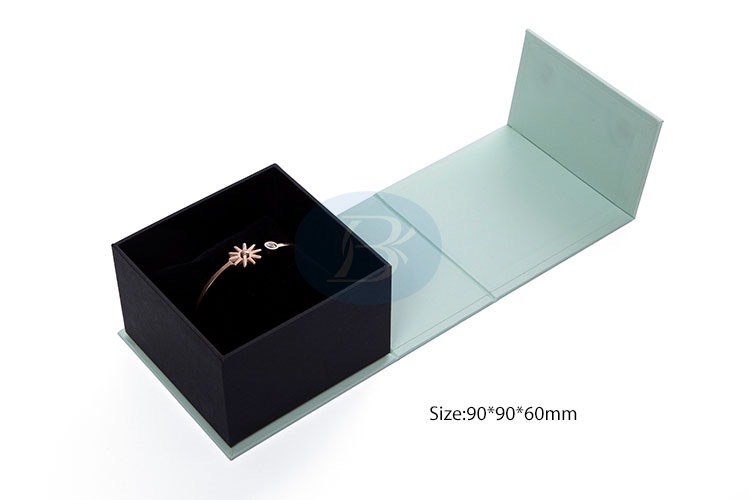
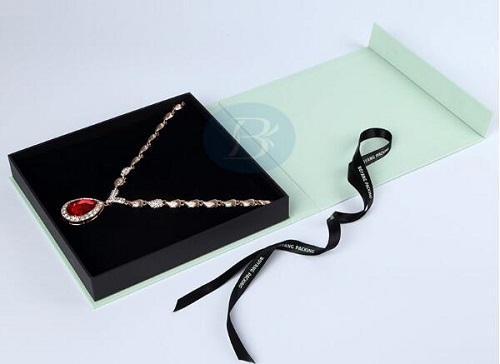
Among the vast array of jewelry packaging options, the flip-lid jewelry box—particularly the "book-style" variant featuring a magnetic closure—is undoubtedly a staple in the realm of high-end customization. Its inherent substantial weight and the crisp, resonant sound it makes when opened and closed instantly elevate the "unboxing ritual," making it the standard choice for countless wedding rings and luxury jewelry pieces.
Precisely because of its intricate craftsmanship and the multitude of components involved, this type of box serves as a rigorous test of a factory's ability to control minute manual details and expertly combine materials. When you receive the prototype for your custom flip-lid jewelry box from the factory—filled with anticipation—do not simply give it a cursory glance and hastily approve it. To prevent quality issues from arising during mass production, I have compiled a professional-grade "Prototype Acceptance Checklist" for your reference. Upon receiving the physical sample, simply evaluate it against the core criteria outlined below; this will allow you to quickly and accurately assess the true capabilities of the jewelry box manufacturer.
True luxury often lies hidden within subtle, unassuming details. The very first step upon receiving the box is to engage both your eyes and your fingertips to conduct a comprehensive, all-encompassing inspection.
(1) Corner Finishing and "Clean-Corner" Craftsmanship
An exceptional flip-lid jewelry box should feature edges that are crisp, straight, and form precise 90-degree right angles.
Inspection Action: Run your fingers along the four corners of the box. If they feel rounded, blunt, or lack a distinct three-dimensional sharpness, it indicates that the factory either failed to perform the necessary "V-grooving" on the underlying greyboard or that the precision of their automated grooving machinery was insufficient. A box meeting high-quality standards should possess corners that are as sharply defined and angular as those of a premium hardcover book.
Critical Failure Points (Immediate Rejection): Any damage to the surface paper at the corners, instances of "show-through" (where the underlying greyboard is exposed), or the presence of obvious overlaps and creases along the wrapped edges.
(2) Surface Flatness and Inspection for Glue Overflow
Hand-wrapped box packaging is most susceptible to defects during the gluing stage.
Inspection Action: Place the box under a strong light source (such as a desk lamp or a mobile phone flashlight) and observe the paper surface from various angles. If the surface appears uneven or feels gritty to the touch, it suggests either extremely poor dust control within the workshop or uneven application of the adhesive. Conversely, if the seams along the edges appear glossy or exhibit yellowing, this indicates a severe instance of glue overflow. Fatal Flaw: Trapped air bubbles between the face paper and the greyboard; pressing down with your hand reveals a hollow, loose sensation.
(3) Precision of Logo Craftsmanship
Whether you opt for hot stamping, embossing, or UV spot coating, the logo serves as the face of your brand.
Inspection Procedure: Carefully examine the edges of the hot stamping to ensure they are crisp and sharp. Substandard craftsmanship can result in "blurred edges," "burrs," or the peeling of the metallic foil. If embossing is used, verify that the alignment between the front and back sides is absolutely precise.
The enduring popularity of flip-top jewelry boxes lies in the interactive experience they offer during the dynamic act of opening and closing. Mere static visual appeal is insufficient; the tactile quality of the box in motion serves as the true litmus test of a factory's capabilities.
(4) The "Golden Balance" of Magnetic Strength
The intensity of the magnetic attraction directly determines the sense of luxury experienced when opening the box.
Inspection Procedure: Attempt to lift the lid using just one hand. The resistance should be moderate—neither so stiff that it feels strenuous, nor so loose that it feels flimsy. Upon closing, the lid should settle with a crisp, distinct "click."
Extreme Test: Invert the box—having first loaded it with weights equivalent to the weight of actual jewelry—and gently shake it. If the box pops open and spills its contents easily, it indicates severely insufficient magnetic strength; this poses a high risk of the box coming apart during bulk shipping, potentially damaging the jewelry inside.
(5) "Fatigue Resistance" Testing for the Rear Hinge (Spine)
The rear hinge—which connects the lid to the base—is the most vulnerable component of the entire flip-top jewelry box structure.
Inspection Procedure: Do not hesitate to put the sample prototype to the test; repeatedly open and close the box 30 to 50 times, and attempt to open it to its maximum flat angle (180 degrees).
Fatal Flaw: Closely inspect the crease line. If the face paper exhibits "fiber breakage" (fraying or tearing of the paper fibers), wrinkling, or if the opening and closing action becomes loose or misaligned, it indicates that the face paper selected by the factory lacks sufficient tensile strength, or that they failed to incorporate a reinforcing layer (such as tear-resistant mesh) within the structure. Such a box will likely break after only a few uses once it reaches the consumer. 3. Meticulous Standards for Internal Spaces: Linings and Odor Control
Many buyers prioritize external appearance while overlooking the interior space—the area in direct contact with the jewelry itself. This is, however, a frequent source of customer complaints.
(6) Gaps and Fit of the Lining
Inspection Procedure: Remove the lining insert (whether sponge, flocked tray, or microfiber cloth), then re-insert it. Observe whether there are excessive gaps between the lining and the inner walls of the box. For high-end custom boxes, the lining should fit snugly and seamlessly; it should not fall out easily when the box is inverted. Additionally, inspect the cut edges of the jewelry slots to ensure they are clean, neat, and free of fraying or burrs.
(7) The Fatal "Unboxing Odor."
Inspection Procedure: Close the box completely and let it sit undisturbed overnight. The following morning, bring your nose close to the box and open it abruptly. If you are met with a pungent chemical smell—such as strong glue fumes or a sour, foul odor—immediately disqualify this factory! This not only indicates their use of inferior, non-eco-friendly adhesives, but the volatile chemical fumes released can also accelerate the oxidation and tarnishing of sterling silver or karat gold jewelry.
Sampling represents the "highest level of craftsmanship" a factory will demonstrate in its bid to secure an order. If, during the sampling stage, this specific flip-top jewelry box fails to pass the rigorous tests outlined above, the quality of the subsequent mass production is bound to be even more concerning. By setting strict expectations upfront and utilizing rigorous acceptance criteria to vet suppliers, you demonstrate the utmost responsibility toward both your brand and your consumers.