20 years jewelry packaging manufacturer,
Serving 1000+brands,Passed ISO9001/BV/SGS

You can share
- Share to Facebook
- Share to Google+
- Subscribe to our
- Share to Linkedin
- Share to Twitter
You can share

In the commercial world of jewelry, a striking phenomenon prevails: many brands invest vast sums to hire top-tier designers and source the finest loose stones, yet they choose to compromise on the "last mile" of product delivery—the packaging. When a high-value necklace is unceremoniously stuffed into a generic, mass-produced box found anywhere, all the sense of luxury and prestige the brand has painstakingly cultivated beforehand instantly crumbles. The difference between standard packaging and custom jewelry packaging is far more than just the presence of a logo; it represents a fundamental commercial chasm—the divide between a mere "logistical consumable" and a true "strategic asset." Today, we will conduct an in-depth comparison of the two, uncovering the underlying logic that compels jewelry brands to embrace customization.
To grasp the necessity of custom packaging, we must draw a clear distinction between it and the generic packaging prevalent in the market today, analyzing them across three dimensions: visual aesthetics, tactile experience, and psychological impact.
Standard Jewelry Packaging: Born from the vast array of generic molds found in wholesale markets, their design language is inherently "universal and nondescript." Whether it is an online seller of silver jewelry or a brick-and-mortar boutique selling high-end gold pieces, both might utilize the exact same red velvet square box. It acts like a soulless vessel, incapable of conveying any of the brand's unique character or tone.
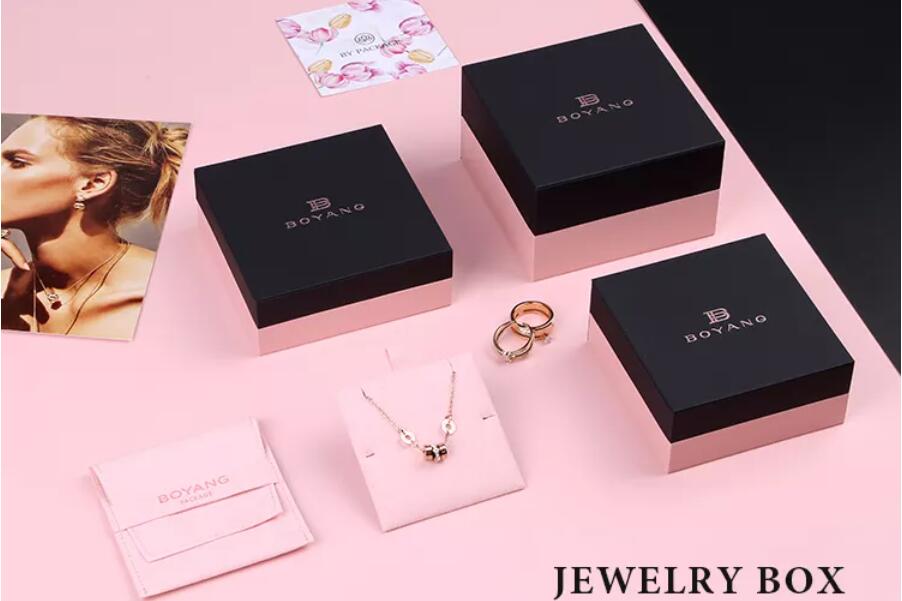
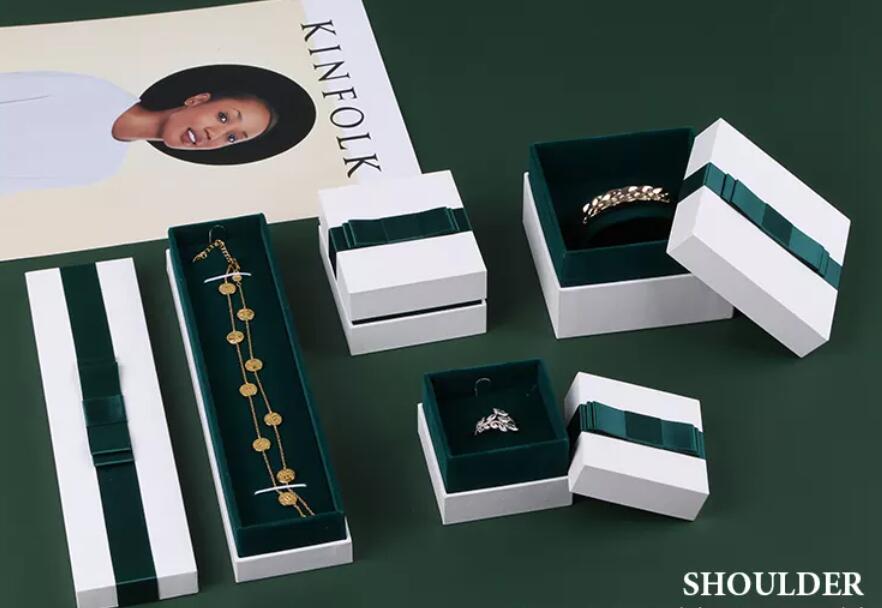
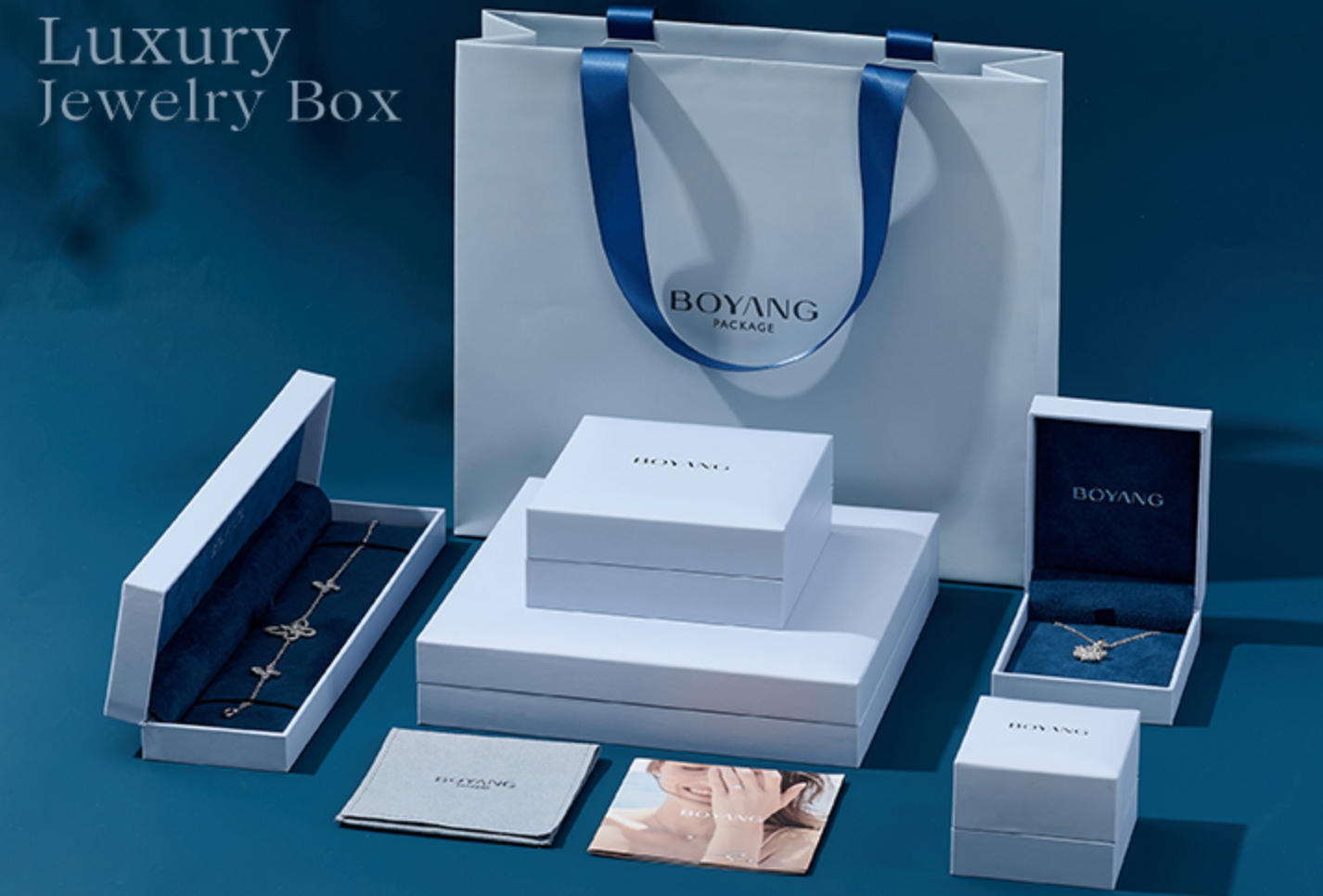
Custom Jewelry Packaging: This serves as a visual extension of the brand's very DNA. Through customization, a brand can precisely reproduce its signature colors—such as Tiffany's iconic blue or Cartier's classic red—on specialty paper stocks. From the specific proportions of the box dimensions and the sharpness or softness of its contours, to the intricate surface finishes (such as blind embossing or spot UV coating), every visual element silently declares: "This is who I am, and this is the elevated aesthetic I represent."
Standard Jewelry Packaging: Its core objective is limited solely to "containing" and "protecting" the product. Upon receiving it, the consumer typically lifts the lid without any particular sense of anticipation or excitement, removes the jewelry, and then simply tosses the box into the trash. The entire process is a cold, purely physical act.
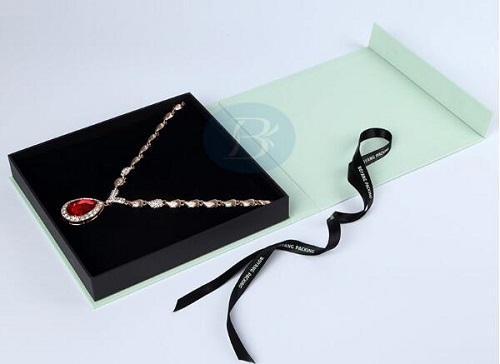
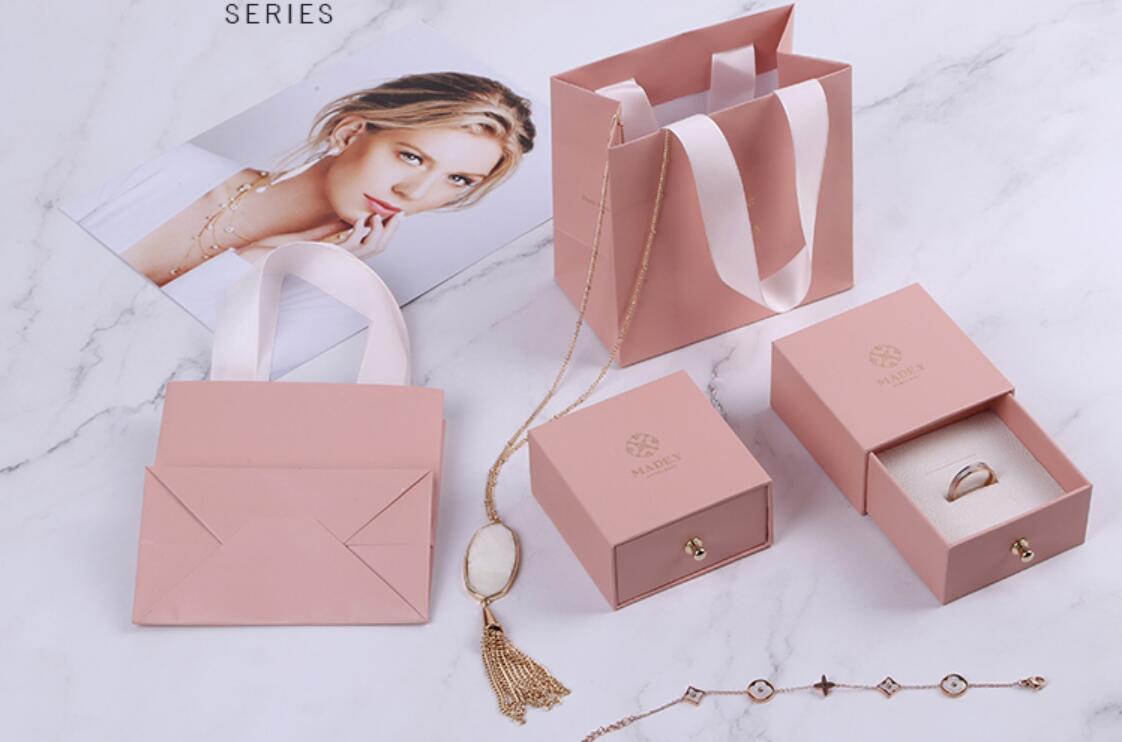
Custom Jewelry Packaging: Top-tier custom packaging places a strong emphasis on "unboxing engineering." Through specialized structural designs—such as drawer boxes featuring a perfectly calibrated resistance, or folding mechanisms that unfold layer by layer like blooming petals—combined with carefully selected ribbon-untying rituals, it deliberately slows down the consumer's movements. This precisely engineered "delayed gratification" elevates the mundane act of opening a delivery into a gift-unwrapping ritual brimming with anticipation, thereby significantly amplifying the emotional value experienced by the consumer.
Standard Jewelry Packaging: Flimsy plastic frames, the pungent odor of low-quality adhesives, and interior inserts that shed fibers easily—these details subconsciously send a dangerous signal to the consumer: "This piece of jewelry might not actually be worth the price." In reality, standard packaging actively erodes the product's premium value potential.
Custom Jewelry Packaging: This utilizes FSC-certified, eco-friendly premium paper, non-toxic and odorless water-based adhesives, and microfiber linings that resist tarnishing and oxidation. The moment consumers' fingertips touch these exquisite materials, a psychological anchor of "high value" is successfully established. Exceptional packaging makes consumers feel that the product offers "value beyond its price," making them willing—even eager—to pay the brand premium.
By understanding the distinctions outlined above, we can grasp why—in today's fiercely competitive and hyper-saturated market landscape—both independent startups and established chain brands are scrambling to embrace custom jewelry packaging.
First: Building an Insurmountable Brand Moat
In an era of highly transparent supply chains, the homogenization of jewelry designs is nearly impossible to avoid. A competitor could potentially replicate your best-selling necklace within a matter of days. However, a custom packaging suite—one that integrates unique aesthetics, intricate structural engineering, and exclusive materials—presents an extremely high barrier to entry in terms of both replication difficulty and time investment. Packaging thus emerges as the brand's final visual "moat," serving to establish distinctiveness amidst a "Red Ocean" of intense competition.
Second: Triggering "Shareability" and Going Viral on Social Media
For modern consumers, the decision to purchase jewelry is driven, to a significant extent, by the desire to share their acquisitions on social platforms such as Xiaohongshu and Instagram. A generic box lacks even the merit to appear in the spotlight; a stunning set of custom jewelry packaging, however, serves as a potent form of "social currency" in its own right. It encourages consumers to spontaneously capture exquisite unboxing videos and photos. The resulting free, organic traffic and authentic word-of-mouth—driven by such UGC (User-Generated Content)—are benefits that no form of traditional hard advertising can ever hope to match.
Third: Driving Repeat Purchases and Private Domain Retention
Custom packaging can also serve as a gateway for digital marketing initiatives. By cleverly integrating features such as authenticity verification tools, exclusive care guides, or discreet NFC chips into the packaging, brands can seamlessly guide consumers into their private digital ecosystems—precisely at the peak moment of excitement during the unboxing experience. Furthermore, when packaging possesses exceptional aesthetic appeal and utility, consumers often choose to keep it on their vanity tables as a storage box; this effectively installs a permanent brand billboard right within the customer's most intimate personal space.
Generic packaging is an inevitable "cost item" destined for disposal, whereas custom jewelry packaging stands as a "strategic asset" that yields guaranteed returns for the brand. It safeguards not merely the luster of the jewelry itself, but—more importantly—the brand's exalted status within the hearts and minds of its consumers.