20 years jewelry packaging manufacturer,
Serving 1000+brands,Passed ISO9001/BV/SGS

You can share
- Share to Facebook
- Share to Google+
- Subscribe to our
- Share to Linkedin
- Share to Twitter
You can share

A custom jewellery packaging box enhances the unboxing experience and builds brand loyalty. Learn how to select eco-friendly materials, customize durable designs, and meet the high expectations of modern jewelry buyers. When a customer receives their order, the exterior packaging is their first physical interaction with your brand, making it a critical component of perceived product value.
For contemporary jewelry brands, the product delivery is no longer just a logistical step; it is a vital marketing touchpoint. Social media platforms like Instagram and TikTok have elevated the "unboxing experience" into a highly visual, shareable event.
When a buyer opens a thoughtfully designed container, it triggers a positive emotional response that reinforces their purchasing decision. High-quality textures, precise logo placement, and structured interior layouts communicate professionalism and luxury. Conversely, flimsy or generic packaging can severely diminish the perceived value of even the most exquisite jewelry pieces. By investing in tailored packaging structures, brands can encourage user-generated content, increase customer retention rates, and justify premium retail pricing in a highly competitive e-commerce landscape.
Modern consumers, particularly in the North American market, prioritize sustainability when evaluating brands. Selecting environmentally responsible materials is now a standard procurement requirement rather than a niche preference.
Recyclable Cardboard and Kraft Paper
High-density rigid cardboard wrapped in premium paper is highly favored for its structural integrity and recyclability. Suppliers utilizing FSC-certified (Forest Stewardship Council) paper ensure that the raw materials are sourced from responsibly managed forests. Kraft paper offers an organic, earthy aesthetic that aligns perfectly with handmade or ethically sourced jewelry lines.
Biodegradable Inserts and Plant-Based Inks Traditional packaging often relies on petroleum-based inks and non-recyclable plastic foam inserts. Transitioning to soy-based or water-based inks significantly reduces environmental impact without compromising print quality or color vibrancy. For interior protection, replacing standard sponge or EVA with molded pulp or custom-cut biodegradable cardboard slits provides excellent support while maintaining a fully eco-friendly profile.
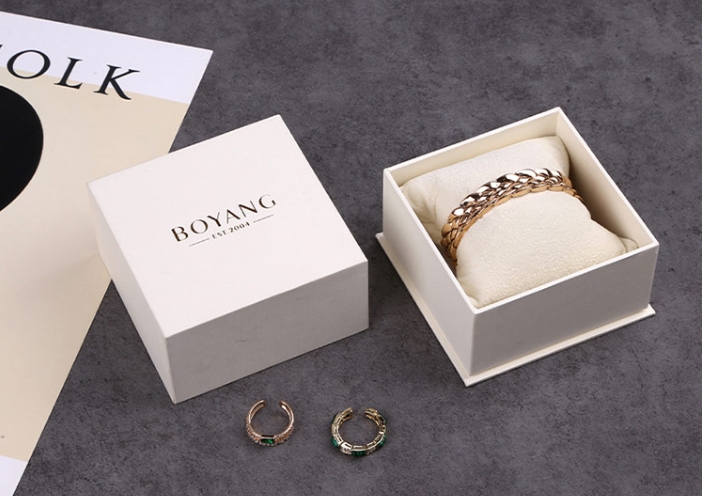
Understanding current design trends allows procurement managers to align their packaging choices with their specific brand identity. Two dominant aesthetic directions currently lead the market.
The Minimalist Approach
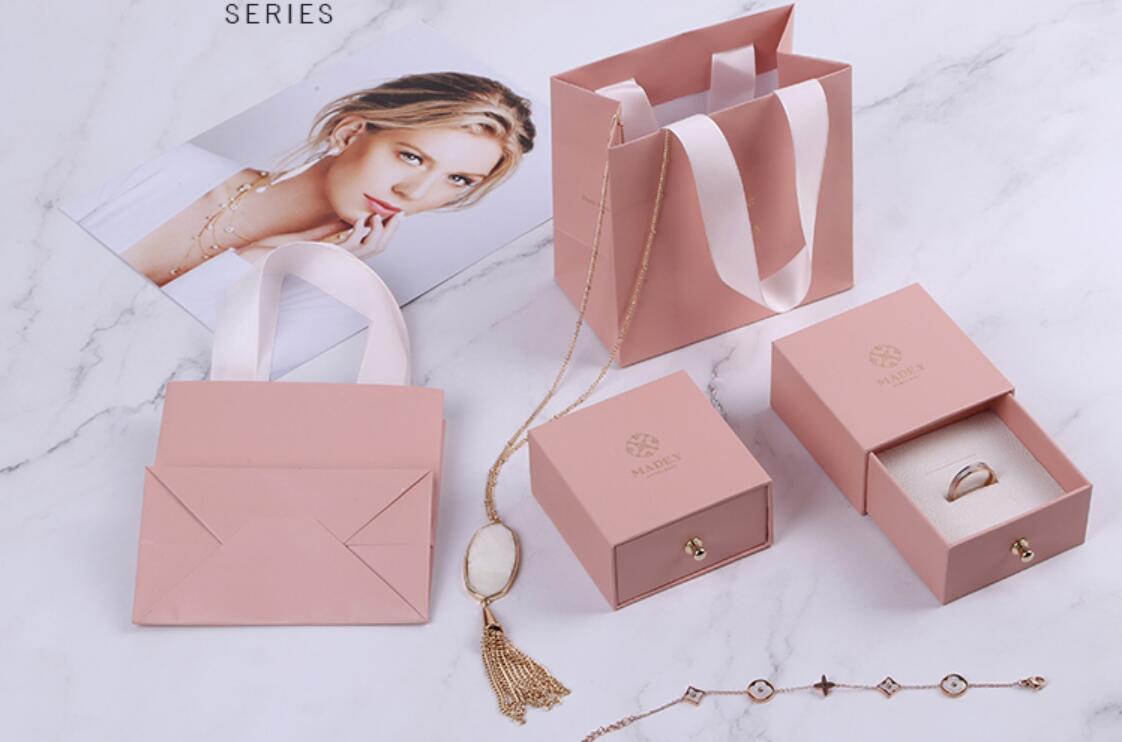
Minimalism focuses on clean lines, neutral color palettes, and understated elegance. This style often employs debossing (creating a sunken logo without ink) or simple, single-color screen printing on matte surfaces. Minimalist packaging is highly effective for contemporary, everyday-wear jewelry brands. It communicates transparency and modernity while often keeping manufacturing costs highly efficient.
The Luxury and Tactile Approach
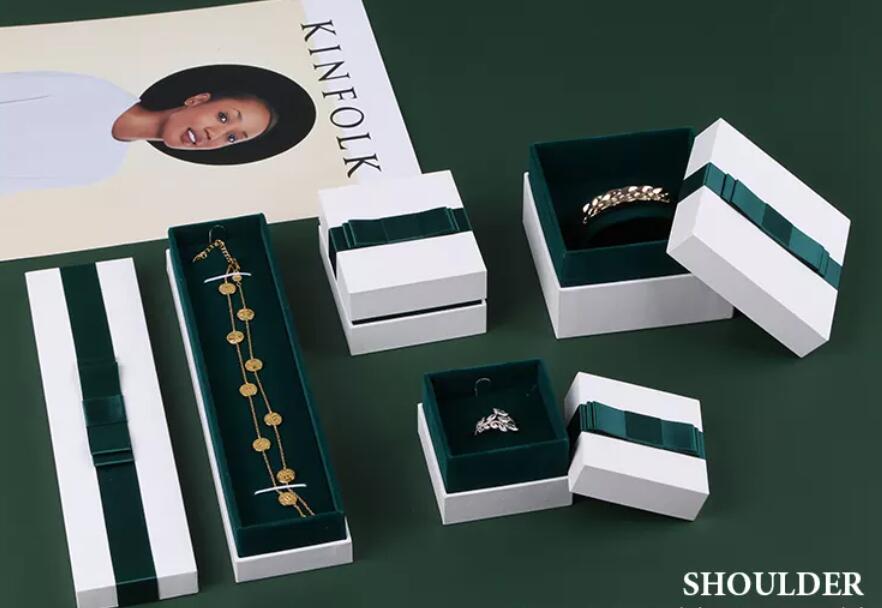
High-end and bridal jewelry brands often require a more opulent presentation. This involves heavier materials like wood veneer or velvet-wrapped boxes. Customization techniques for luxury packaging frequently include hot foil stamping (in gold, silver, or rose gold) and spot UV coating to create visual contrast. The tactile experience is paramount here; the box must feel substantial and smooth to the touch, reflecting the high value of the precious metals and gemstones inside.
A beautifully designed box is useless if it arrives damaged. For direct-to-consumer (DTC) brands, structural durability during international or domestic transit is a non-negotiable procurement standard.
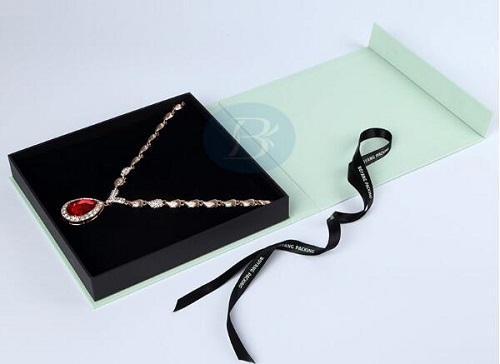
To prevent impact damage, the exterior box must be constructed from thick greyboard (typically 1000gsm to 1500gsm). Inside, the jewelry must be strictly secured to prevent scratching against itself or the container walls. Custom-cut EVA foam covered in soft velvet offers the highest level of precise protection for delicate items like rings and pendant necklaces. Furthermore, brands should require their packaging suppliers to provide protective outer mailer boxes that perfectly fit the primary jewelry box. This double-layer strategy absorbs shock during freight handling and ensures the presentation box remains pristine upon arrival.
What materials are best for eco-friendly jewelry packaging?
FSC-certified rigid cardboard, molded pulp inserts, and kraft paper are excellent choices. Combining these with soy-based inks ensures the entire packaging solution is fully recyclable and environmentally responsible.
How does a custom box improve brand loyalty?
A customized box creates a memorable unboxing experience. When packaging reflects high quality and careful design, customers perceive the brand as premium and trustworthy, leading to higher satisfaction and repeat purchases.
What is the difference between embossing and debossing for logos?
Embossing creates a raised, 3D effect of your logo on the box surface, while debossing presses the design into the material for a sunken, recessed look. Both offer a premium tactile feel without relying on colored inks.
How can I ensure my jewelry is protected during shipping?
Opt for rigid outer materials and customized interior inserts like precisely cut EVA foam or velvet-lined slots. This prevents the jewelry from shifting or scratching during transit.
Selecting the right packaging involves balancing aesthetic appeal, material sustainability, and structural durability. Whether your brand aligns with eco-friendly minimalism or traditional luxury, customized packaging is an essential investment in your product's market positioning.
If you are preparing to upgrade your unboxing experience or launch a new product line, evaluating physical material samples is the most critical next step. Contact a professional packaging manufacturer today to submit your specific design dimensions, review material options, and request your custom sample proofing.