20 years jewelry packaging manufacturer,
Serving 1000+brands,Passed ISO9001/BV/SGS

You can share
- Share to Facebook
- Share to Google+
- Subscribe to our
- Share to Linkedin
- Share to Twitter
You can share

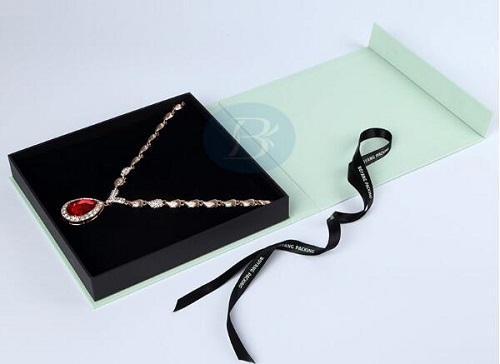
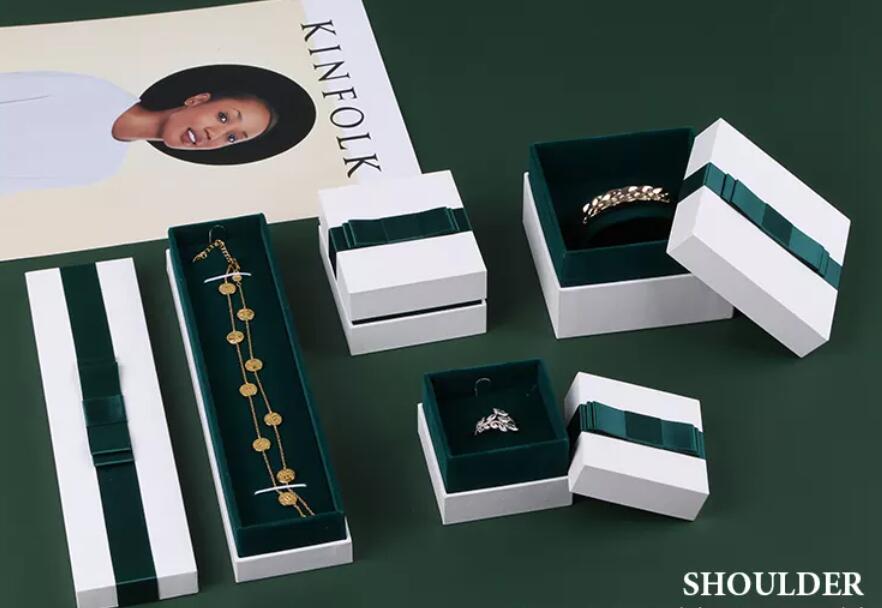
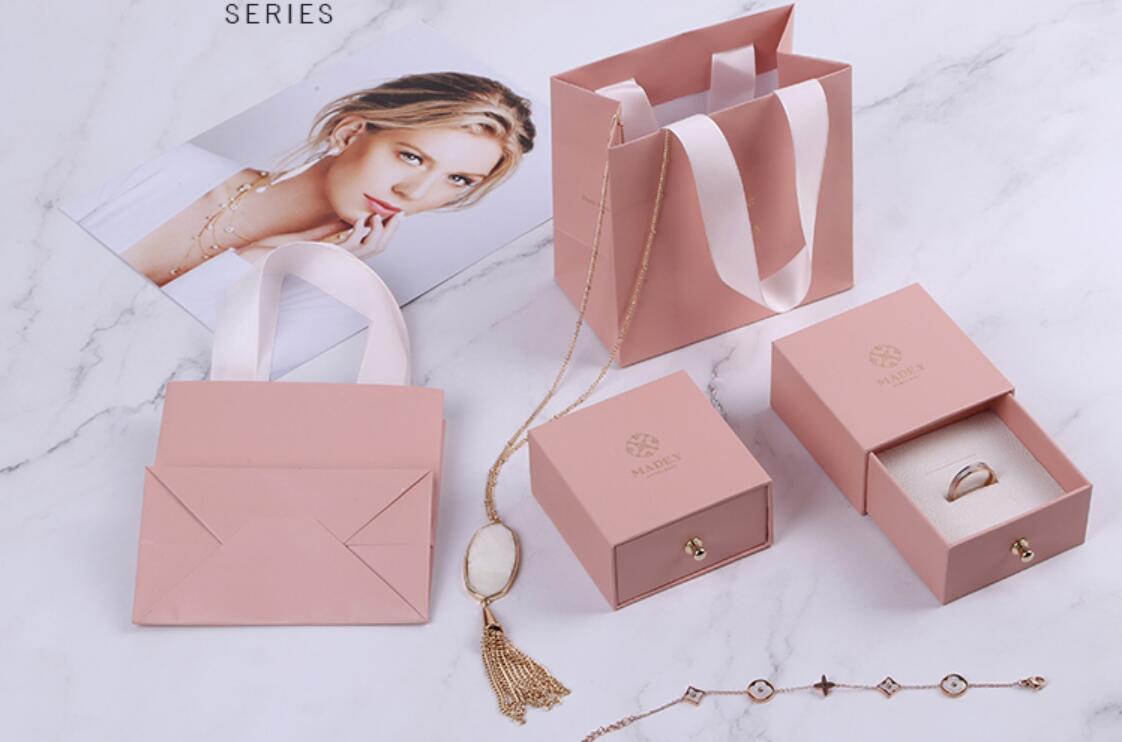
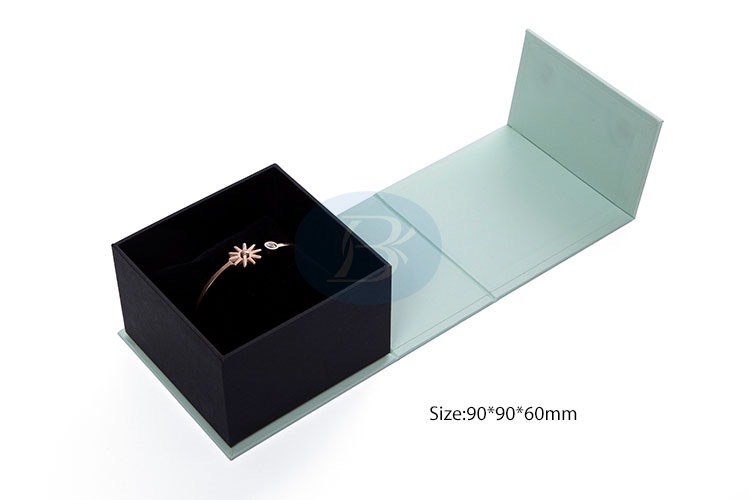
What constitutes high-standard jewelry packaging? In today's global luxury market, custom jewelry boxes have long transcended the definition of a mere "container." They are the first chapter in a brand's narrative. For brand managers seeking a global supply chain, understanding the complex processes behind jewelry packaging manufacturing is key to distinguishing "ordinary goods" from "premium goods." This article will delve into the core processes, revealing the technological secrets that give paper a new lease on life.
In jewelry packaging manufacturing, material selection is the first step:
Plastic Blank: Sharp edges, strong lines, commonly used in high-end ring boxes.
Grey Board/MDF: The mainstream choice for environmental protection. High-quality custom jewelry boxes typically use 1200gsm-1800gsm high-density grey board to ensure a solid feel and prevent deformation under pressure.
Tactile Paper: With a delicate touch like a baby's skin, it has become a popular choice in the European and American markets in recent years. 1. Paper Replicating Leather: Simulates leather texture, is environmentally friendly, reduces costs, and perfectly replaces genuine leather.
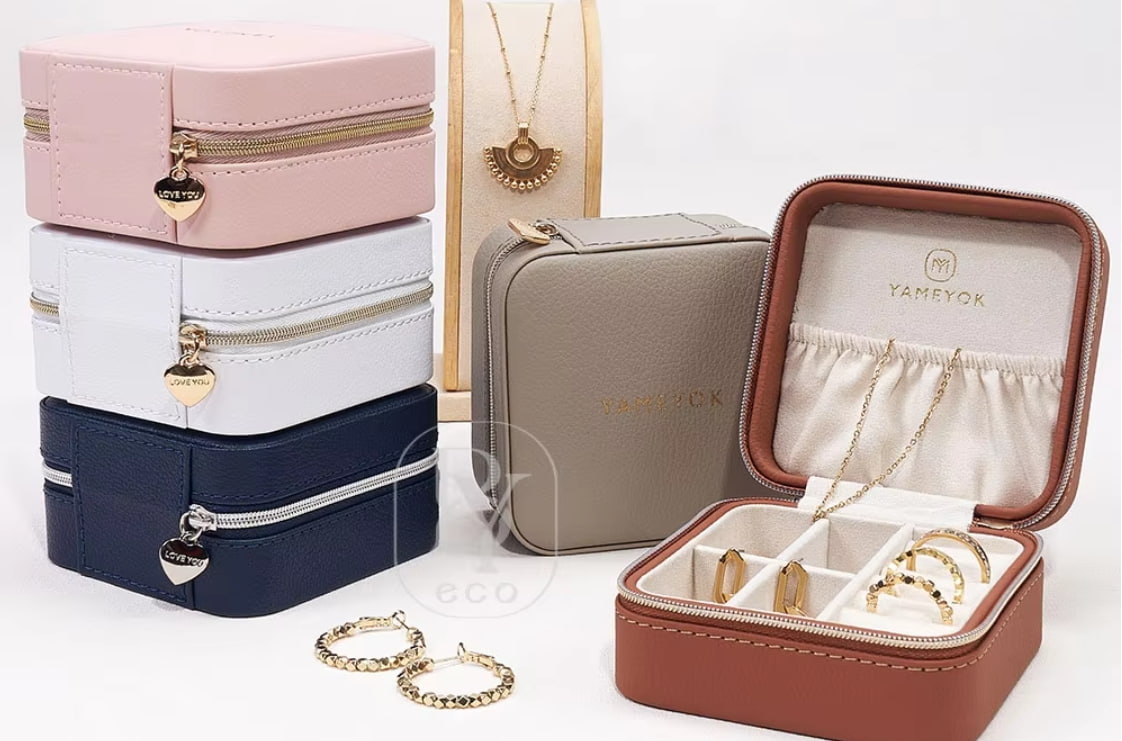
Why do some custom jewelry packaging boxes gleam under light? This is thanks to exquisite surface treatment processes.
Definition: Utilizing the principle of heat transfer, electroplated aluminum foil is transferred onto the paper surface.
High-end jewelry packaging pursues "clear hot stamping and burr-free edges." Now, "3D hot stamping" is more popular, creating an embossed effect through etching, giving the logo a highly three-dimensional feel.
Value: This is a minimalist expression. No ink is used; texture is created solely through pressure on the paper. This understated luxury perfectly matches the aesthetics of top international brands.
Application: Localized UV coating on matte surfaces creates strong contrasts of light and shadow, increasing visual depth.
This is a detail often overlooked by newcomers.
Ordinary Craftsmanship: The gray board is directly folded, with rounded corners, appearing cheap.
V-groove Craftsmanship: In jewelry packaging manufacturing, V-grooves are machine-cut into the gray board, resulting in sharp, 90-degree right angles after folding. This is a key indicator of whether a custom jewelry box belongs to the "high-end" category.
Q1: Are paper custom jewelry boxes less durable than plastic boxes?
A: This is a common misconception. Modern high-end jewelry packaging typically uses high-density gray board (1200gsm to 1800gsm) as the framework, whose hardness and compressive strength are in no way inferior to ordinary plastic blanks. As long as it's not soaked in water for extended periods, a high-quality cardboard box is perfectly capable of handling long-distance transport and long-term storage, and it's also more environmentally friendly.
Q2: I want to have my logo hot-stamped, but I'm worried it will oxidize or peel off over time. What should I do?
A: Craftsmanship quality is key. Reputable jewelry packaging factories use imported electroplated aluminum foil and ensure adhesion through 3M tape testing (peel test). To prevent oxidation and blackening, it's recommended to choose hot-stamping materials with an anti-oxidation coating, or use UV embossing instead of hot-stamping, which maintains the shine and is durable.
Q3: What kind of lining can both protect jewelry and look the most luxurious?
A: Traditional flocking blister packaging is inexpensive but looks somewhat cheap. Currently, international brands prefer microfiber or velvet-wrapped sponge/EVA. The lining. This process makes the lining as soft and elastic as a sofa, not only perfectly securing the jewelry but also highlighting its brilliance through different colored velvets (such as off-white and dark gray).
Q4: I want to use specialty paper (such as tactile paper), but will this increase the MOQ?
A: It will have some impact, but not absolutely. Many mainstream specialty paper suppliers have stock available, in which case the MOQ for customized jewelry packaging boxes can usually be maintained at 500-1000 sheets. However, if you need to customize specialty paper with a specific color or texture, paper mills usually require a MOQ of 3000-5000 sheets, which is suitable for established large brands.
Q5: How to maintain a "luxury" feel while meeting "environmental" requirements?
A: "Environmental protection" has become the new luxury. It is recommended to choose FSC-certified paper and use water-based inks or soy inks for printing. In terms of design, utilize the V-groove process. Creating sharp, minimalist lines, reducing complex non-degradable plastic accessories (such as magnets and ribbons), and replacing excessive decoration with structural aesthetics is currently the highest level of environmental expression.