20 years jewelry packaging manufacturer,
Serving 1000+brands,Passed ISO9001/BV/SGS

You can share
- Share to Facebook
- Share to Google+
- Subscribe to our
- Share to Linkedin
- Share to Twitter
You can share

In the jewelry industry, packaging is a key carrier of brand image and customer experience. Understanding the material cost structure of custom jewelry packaging is crucial for cost control and brand positioning. Next, we will analyze the price range of mainstream materials from multiple dimensions and dissect the value logic behind them.
Before assessing the price of specific materials, several variables affecting costs need to be identified:
(1) Order Quantity: The larger the batch, the lower the cost per piece.
(2) Design Complexity: Irregular structures and multi-layer designs significantly increase mold opening and processing costs.
(3) Surface Finishing: Hot stamping, embossing, UV coating, screen printing, etc., can increase costs by 30%-100%.
(4) Size and Accessories: Size directly determines the amount of material consumed; the quality of hardware (hinges, buckles) is an important cost variable.
(1) Paper Materials: An Economical and Efficient Starting Point
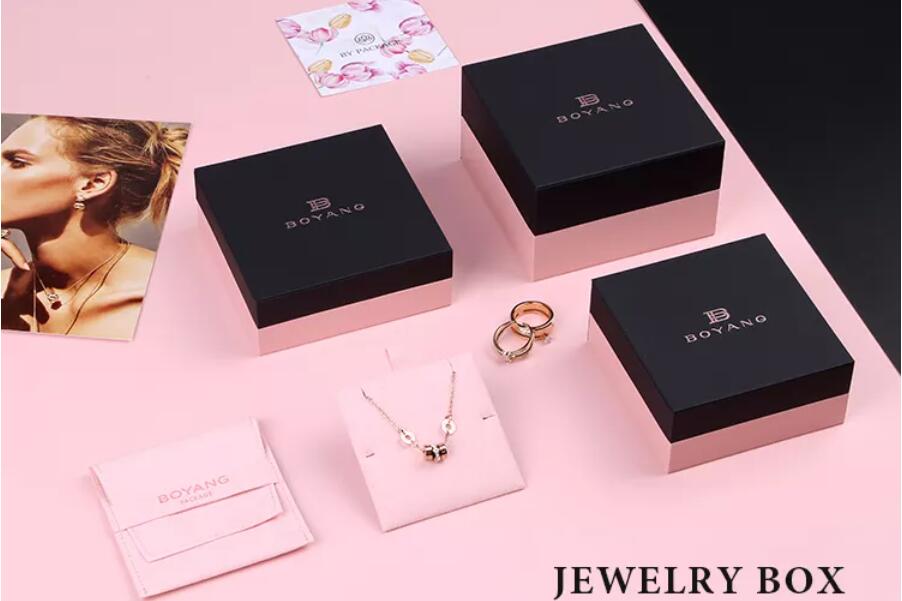
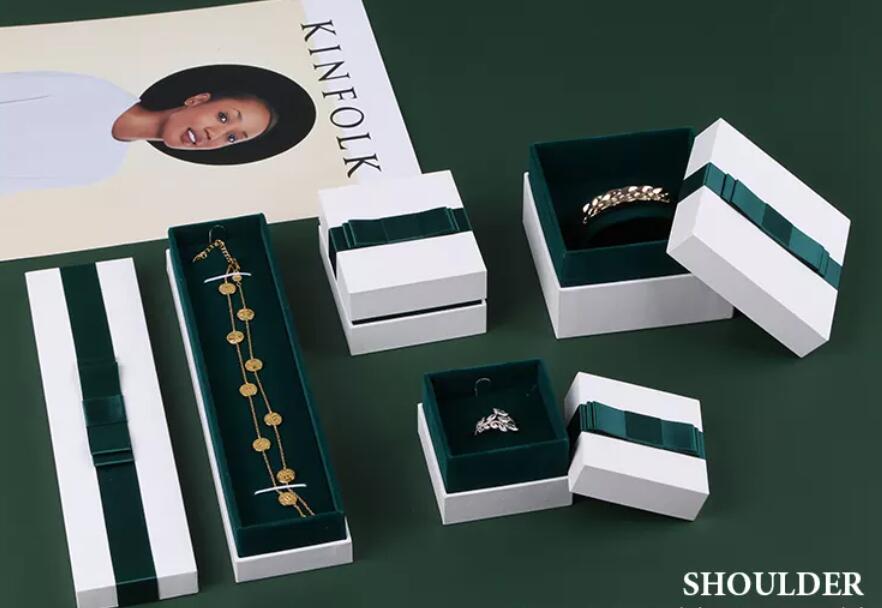
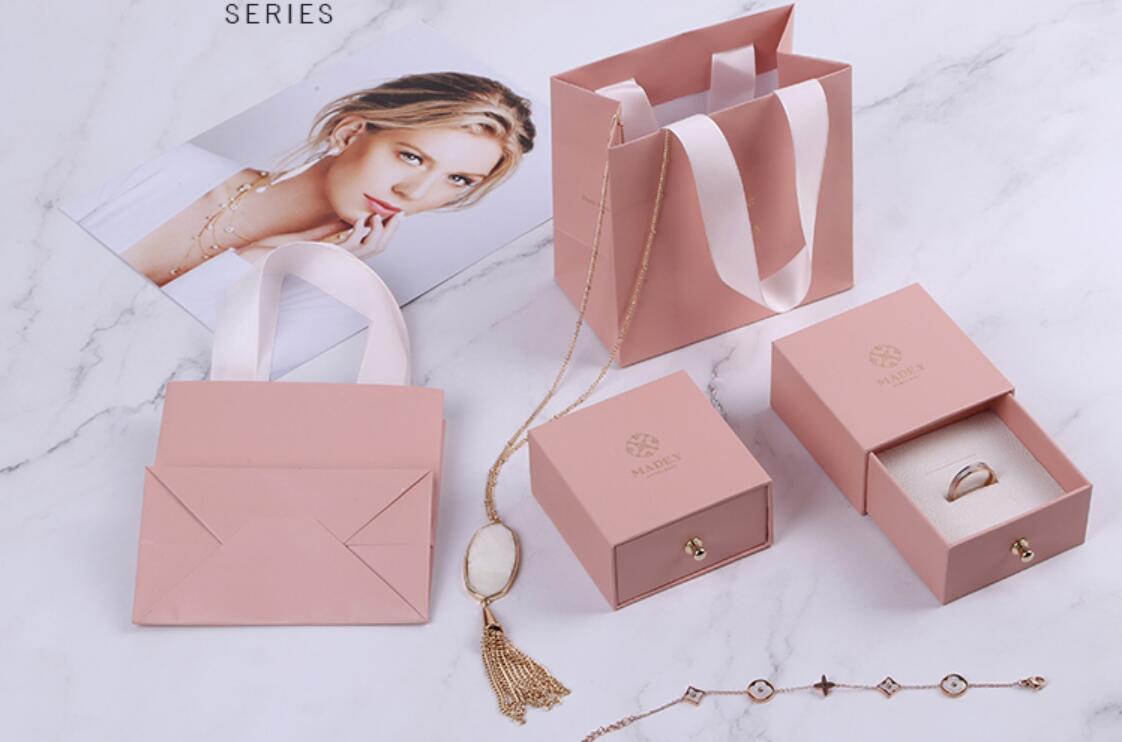
Paper-based packaging is the most widely used category, with a large price range. Basic Cardboard/Grey Board Boxes:
Price Range: $0.4 - $2.1 / piece (medium size)
Analysis: Made of 250-400g coated paper or grey board, suitable for promotional products or large-volume entry-level jewelry. Low minimum order quantity (usually 500 pieces), short production cycle (7-10 days). Adding basic processes, such as hot stamping, increases the cost by approximately $0.3 - $1.1.
Specialty Art Paper Boxes:
Price Range: $1.1 - $3.5 / piece
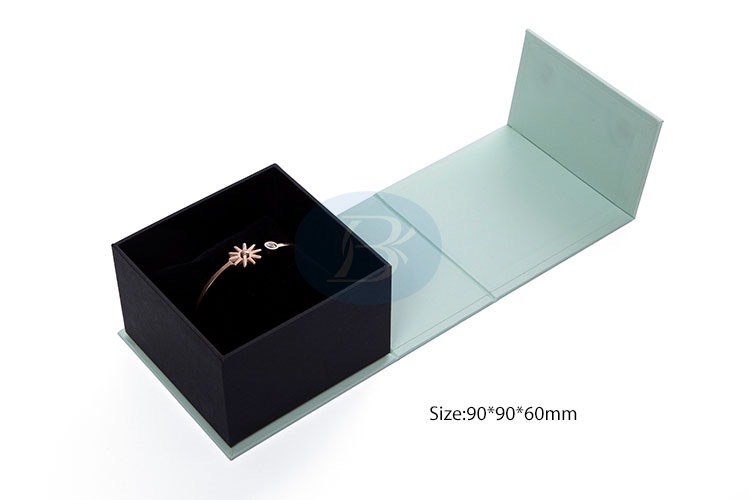
Analysis: Made of pearlescent paper, tactile paper, cotton fiber paper, etc., with outstanding texture, effectively enhancing the product's appearance. A mainstream choice for mid-range jewelry brands. If designed with complex folding structures or multiple internal compartments, the price will approach the upper limit.
(2) Wooden Boxes: A Symbol of Classic and Luxury
Wooden packaging conveys a sense of weight and high-end value. MDF Veneer Box:
Price Range: $3.5 - $8.5/piece
Analysis: Made of MDF, with PU imitation leather or wood grain paper laminated to the surface. High cost-performance ratio, can simulate the feel of solid wood, and is a common choice for light luxury brands. The cost difference mainly lies in the wear resistance and environmental protection level of the surface veneer.
Solid Wood Jewelry Box:
Price Range: $7 - $42/piece and above
Analysis: Made of natural wood such as pine, oak, and walnut, the price varies greatly depending on the wood species and drying process. The real value lies in the details: mortise and tenon structure, hand sanding, food-grade wood paint, and high-quality metal hinges. A solid wood box with shock-absorbing hinges and an antioxidant lining easily costs more than $28.

(3) Leather/Artificial Leather: The Touch of Modern Luxury
PU/Synthetic Leather Box:
Price Range: $2.1 - $5.6/piece
Analysis: Rich in color and texture options, waterproof and easy to clean. Price depends on the thickness, softness, and environmental performance of PU; high-end PU leather can cost close to genuine leather.
Genuine Leather Packaging Boxes:
Price Range: $11 - $28/piece and above
Analysis: Top-grain calfskin is the most expensive, while sheepskin and vegetable-tanned leather each have their own characteristics. The core cost of genuine leather packaging lies in the cutting waste rate and hand-sewing time. Details such as edge dyeing and hand-stitching significantly increase costs, but they create a unique texture.
(4) Lining Material: The Invisible Battlefield of Quality
The lining comes into direct contact with the jewelry, concerning both protection and display. Regular velvet: $0.07 - $0.28/piece
Velvet/Microfiber: $0.28 - $1.1/piece
Custom-molded anti-oxidation lining: $1.1 - $3.5/piece (This is a key upgrade, effectively preventing silver oxidation and demonstrating professionalism)
Bulk volume is the core lever for cost control:
Small batch (100-500 pieces): Unit price may be 30%-50% higher than the large batch, mainly covering mold and sampling costs.
Medium batch (500-5,000 pieces): Unit price enters a stable range, a common choice for brands testing the market.
Large batch (over 5,000 pieces): Maximizes advantages in material procurement and production efficiency, unit price can be reduced by 20%-35%.
Emerging/e-commerce brands (single box budget < $2.8):
Focus on specialty cardboard boxes, standing out through creative graphic design and structural innovation. Invest in logo craftsmanship to enhance brand recognition.
Growing/Affordable Luxury Brands (Single Box Budget $2.8 - $8.5): Consider MDF veneer boxes or premium PU leather boxes. Velvet lining and custom-molded inserts are essential. This is the golden range for establishing brand quality.
High-Em Brands (Single Box Budget > $8.5): Invest in solid wood, genuine leather, or composite materials. Attention must be paid to all sensory details: opening and closing feel, weight, smell, and hardware smoothness. The packaging itself should be a collectible work of art.
In addition to direct material costs, the following should also be considered:
(1) Design and sampling fees: $70 - $420, deductible for large orders.
(2) Mold fees: Special structures require molds, costing between $140 and $700.
(3) Minimum Order Quantity (MOQ): High-end materials typically have higher MOQ requirements. (4) Logistics and Warehousing: Wooden packaging is heavy, and international logistics costs need to be calculated in advance.
Long-term Value Perspective: High-quality packaging is a strategic tool for reducing return rates, increasing repurchase rates, and raising average order value. A memorable unboxing experience generates brand loyalty and social media virality far exceeding the initial cost of the packaging.