20 years jewelry packaging manufacturer,
Serving 1000+brands,Passed ISO9001/BV/SGS

You can share
- Share to Facebook
- Share to Google+
- Subscribe to our
- Share to Linkedin
- Share to Twitter
You can share

Expertly engineered custom jewelry boxes elevate brand identity and protect fine pieces through tailored structures and premium finishes. When jewelry brands transition from standard off-the-shelf options to fully bespoke packaging, the focus shifts to structural durability, precise material selection, and accurate brand alignment. For North American buyers seeking OEM solutions, understanding the engineering choices behind rigid paperboard boxes and the workflow of large-scale customization is critical to ensuring product safety and reducing production errors.
The foundation of any bespoke packaging project begins with selecting the correct structural style. The physical design of the box dictates not only the unboxing experience but also the assembly efficiency and shipping durability.
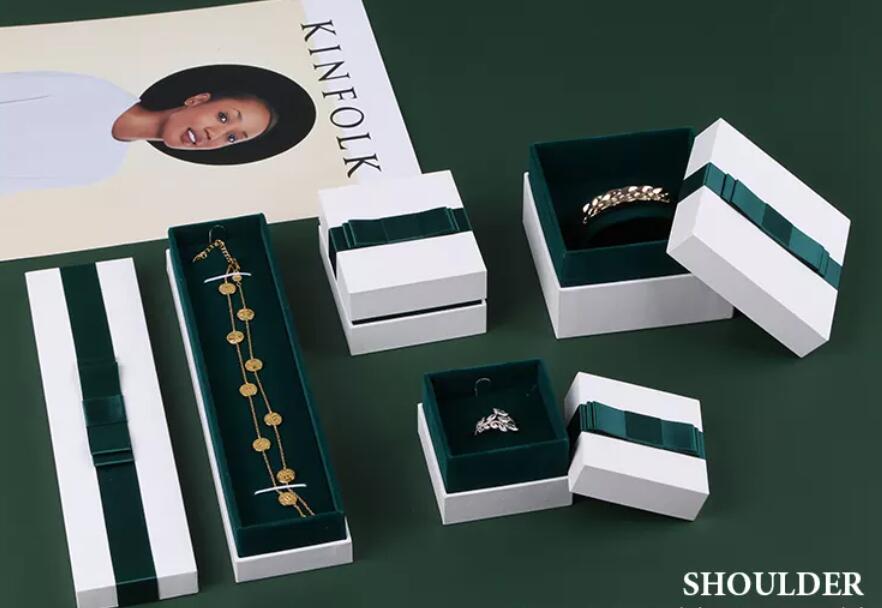
This is the most traditional and widely used structure for luxury jewelry. Constructed from thick greyboard (typically 1000gsm to 1200gsm) wrapped in art paper or specialty textured paper, the lid-and-base design provides excellent crush resistance. For high-end brands, adding a "neck" or "shoulder" (an inner lip that separates the lid and the base) creates a distinctive, elevated look. This structure is ideal for statement necklaces, large bangles, and multi-piece bridal sets.
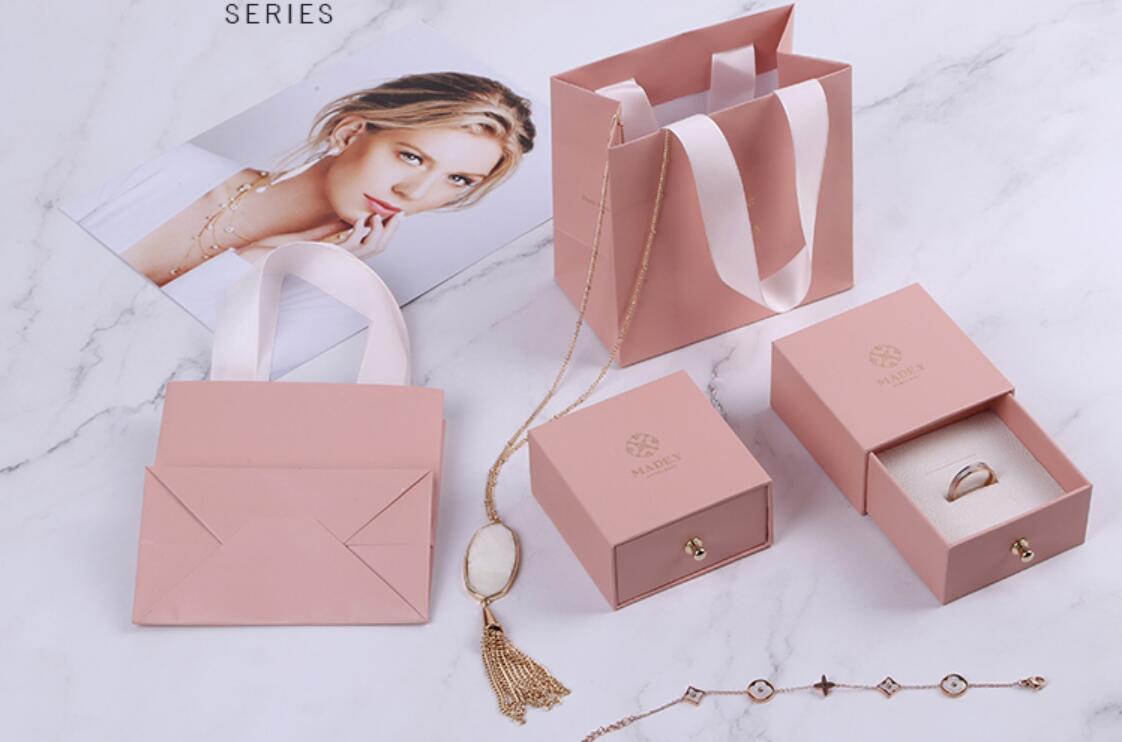
Drawer boxes offer a unique, interactive unboxing experience. They feature an outer sleeve and an inner sliding tray, often equipped with a custom ribbon pull or a thumb notch. This structure is highly favored for earrings, pendants, and rings. From a functional standpoint, drawer boxes are highly stackable, making them an excellent choice for retail displays and wholesale storage environments.
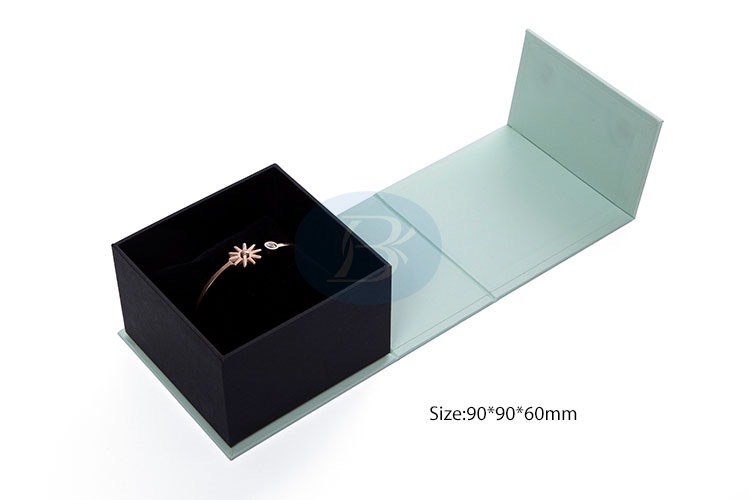
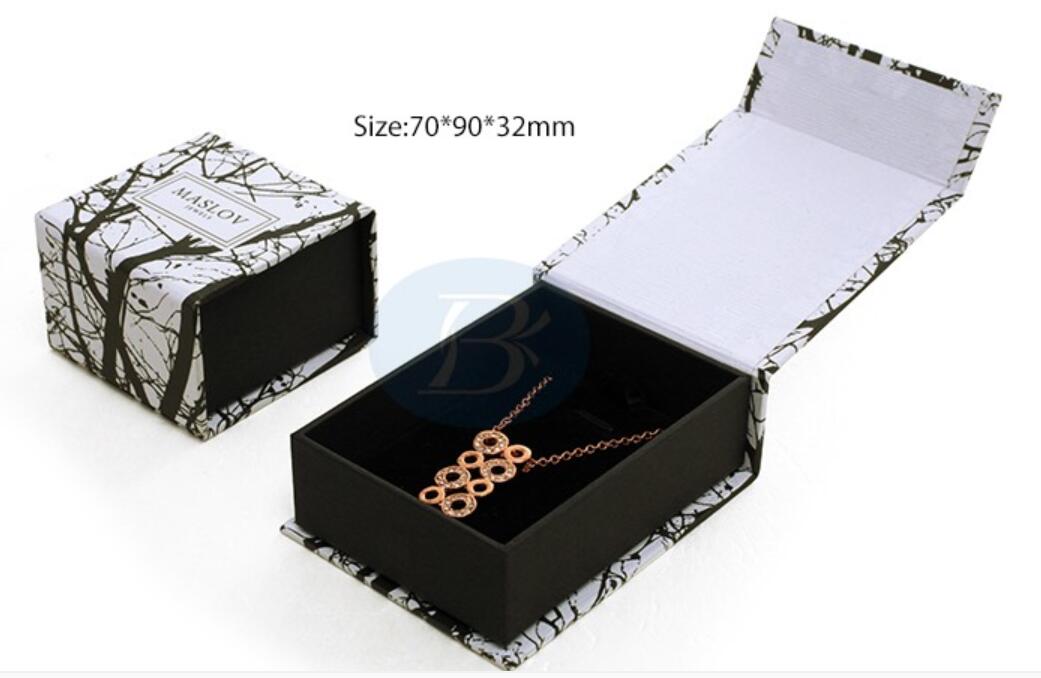
Magnetic closure boxes (or book-style boxes) feature a hinged lid equipped with concealed magnets, typically hidden within the front flap. These boxes emit a satisfying "snap" upon closing, signaling premium quality to the consumer. Because they open like a book, they provide a wide display area, making them perfect for comprehensive jewelry sets.
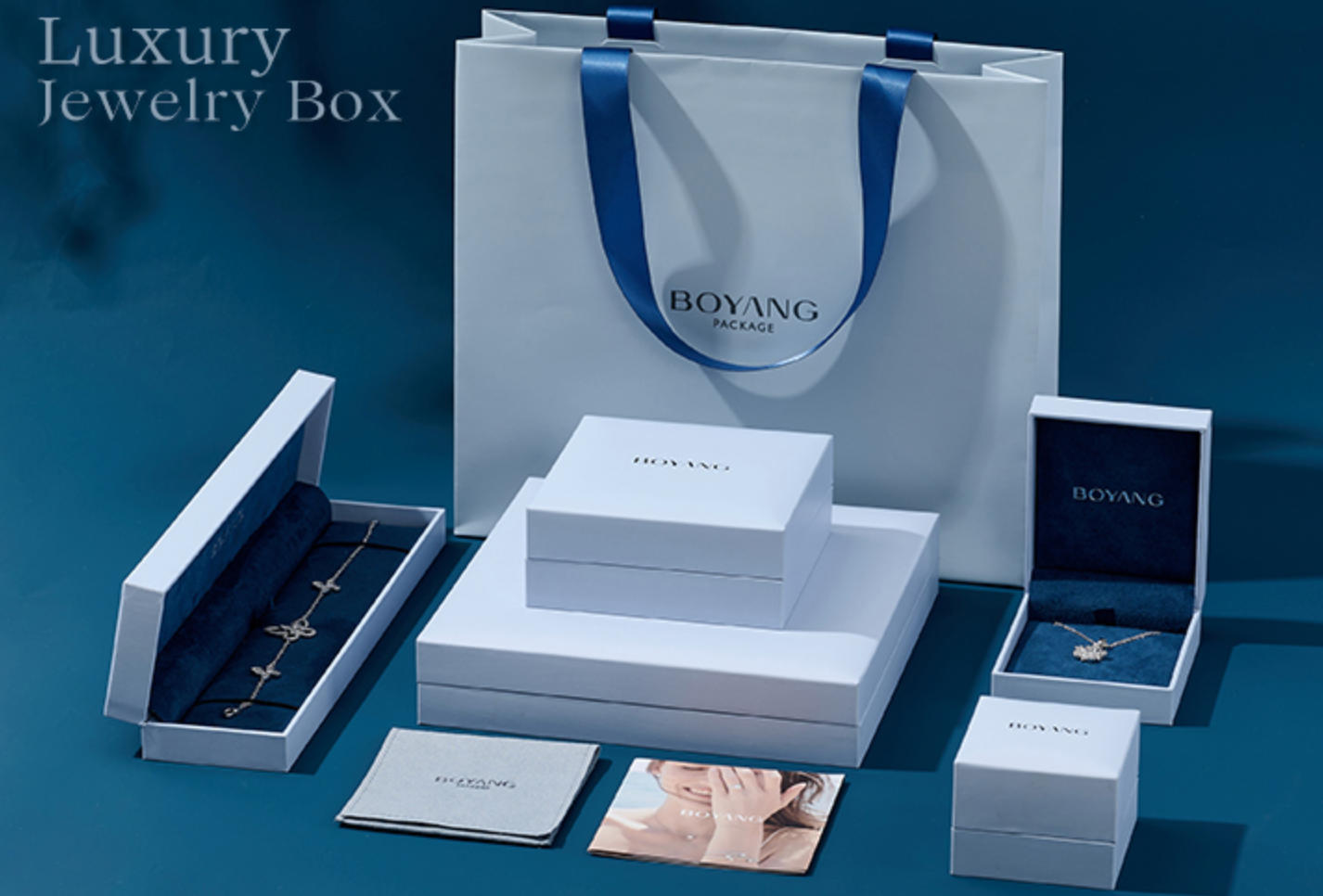
Once the structure is determined, the surface treatment transforms a blank paperboard box into a powerful brand asset. Applying the right finishing techniques ensures that the packaging aligns with the brand's visual identity.
Hot Foil Stamping: This process uses heat and pressure to apply metallic foil (such as gold, silver, or rose gold) to the surface of the box. Hot foil stamping creates a highly reflective, luxurious logo that stands out against matte backgrounds. It is the most popular branding technique for custom jewelry boxes due to its timeless appeal.
Embossing and Debossing: Embossing raises the logo or pattern above the surface of the paper, while debossing presses it downward. Both techniques create a tactile experience that engages the consumer's sense of touch. They can be used independently (blind embossing) or combined with hot foil stamping for a multi-dimensional effect.
Soft-Touch Lamination: While standard matte or gloss lamination protects the printed surface, soft-touch lamination adds a velvety, suede-like texture to the paper. This finish significantly elevates the perceived value of the packaging, making the box feel smooth and luxurious before it is even opened.
The exterior of the box attracts the eye, but the custom insert (or fitment) does the critical work of protecting the jewelry during international transit. Improper insert design can lead to scratched metals, tangled chains, and damaged gemstones.
Ethylene-Vinyl Acetate (EVA) foam is highly resilient and dense, providing excellent shock absorption. For luxury packaging, the EVA base is typically covered with a layer of premium velvet (flocking). This material is precision-cut using die-cutting or CNC routing to perfectly match the contours of specific rings, watches, or brooches, ensuring zero movement during shipping.
For brands prioritizing sustainability, molded high-density paperboard serves as an eco-friendly alternative to foam. These inserts can be engineered with precise folds, slits, and platforms to securely hold necklaces and earrings. While slightly more rigid than foam, they are highly customizable and 100% recyclable.
Designing inserts requires accurate measurements of the jewelry pieces. Necklaces require secure hooks or precise slits at the top of the insert, coupled with a hidden compartment underneath to house the excess chain, preventing tangling. Ring slots must be cut to the exact millimeter to ensure the band is held firmly without stretching the surrounding material.
Partnering with an OEM manufacturer like Boyang Packaging requires a systematic workflow to move from initial design to large-scale production. Understanding these steps helps B2B buyers manage lead times and avoid costly revisions.
Dieline Creation and Digital Proofing: The factory’s structural engineers create a 2D vector dieline (typically in Adobe Illustrator or PDF format) based on the buyer's size requirements. The buyer applies their artwork to this template.
Blank Sample (White Sample) Testing: Before applying colors and finishes, a blank, unprinted sample is created. This step verifies the structural integrity, size accuracy, and insert fitment. Buyers should test the blank sample with actual jewelry pieces.
Pre-Production Sample (PPS): Once the blank sample is approved, a fully printed and finished PPS is manufactured. This sample represents the exact quality, Pantone color matching, and finishing details of the final product.
Mass Production: Upon PPS approval, bulk manufacturing begins. For custom jewelry boxes at Boyang Packaging, the standard Minimum Order Quantity (MOQ) is 1,000 pieces. Production involves material cutting, printing, surface finishing, die-cutting, gluing, and final assembly.
Large-quantity orders demand strict quality control (QC) protocols to ensure consistency across the entire batch. Reliable manufacturers implement QC checks at multiple production stages.
Material Flatness: High-density greyboard must be tested for moisture content to prevent warping or bending during maritime shipping.
Adhesion and Wrapping: The surface paper must be glued smoothly without bubbles, wrinkles, or exposed greyboard at the corners. Odorless, eco-friendly glue is mandatory to prevent chemical off-gassing that could tarnish silver jewelry.
Closure Strength: For magnetic boxes, the magnetic force must be tested to ensure the lid remains securely closed even when held upside down.
Color Consistency: Visual inspections under standard lighting conditions ensure that the final printed colors match the approved Pantone swatches without variation across the 1,000-piece run.
What is the standard MOQ for custom jewelry boxes at Boyang Packaging?
The standard Minimum Order Quantity (MOQ) for fully customized rigid jewelry boxes is 1,000 pieces per design and size. This quantity allows for the efficient amortization of setup costs, such as printing plates and cutting dies.
What digital dieline files are required to start a custom box design?
Factories require vector-based files, typically in Adobe Illustrator (.ai) or vector PDF formats, formatted using the CMYK color model. Fonts must be outlined, and specific brand colors should be assigned Pantone Solid Coated codes.
How do custom inserts protect fine jewelry during transit?
Custom inserts, such as high-density EVA foam or molded paperboard, are precisely die-cut to match the dimensions of the jewelry. This exact fit prevents movement, friction, and chain tangling, effectively absorbing shock during shipping.
What surface finishes work best for luxury jewelry branding?
Hot foil stamping (in gold, silver, or copper) combined with soft-touch lamination is highly effective for luxury branding. This combination provides a premium tactile feel while ensuring the logo catches the light and stands out clearly.
What lead time should buyers expect for custom packaging production?
Lead times vary based on design complexity. Generally, pre-production sampling takes 7 to 10 days, while mass production of 1,000 pieces typically requires 15 to 25 days following sample approval. Buyers must contact the factory to confirm exact timelines.
Investing in well-engineered custom packaging directly impacts the perceived value of your jewelry brand. By carefully selecting structural styles, durable materials, and precise inserts, brands can significantly enhance the unboxing experience while minimizing transit damage.
For B2B buyers ready to transition from concept to production, the most critical next step is to prepare your product dimensions and branding assets. Submit your precise measurements or vector artwork to Boyang Packaging to request a custom dieline, initiate the sampling process, and confirm tiered pricing based on the 1,000-piece MOQ.